
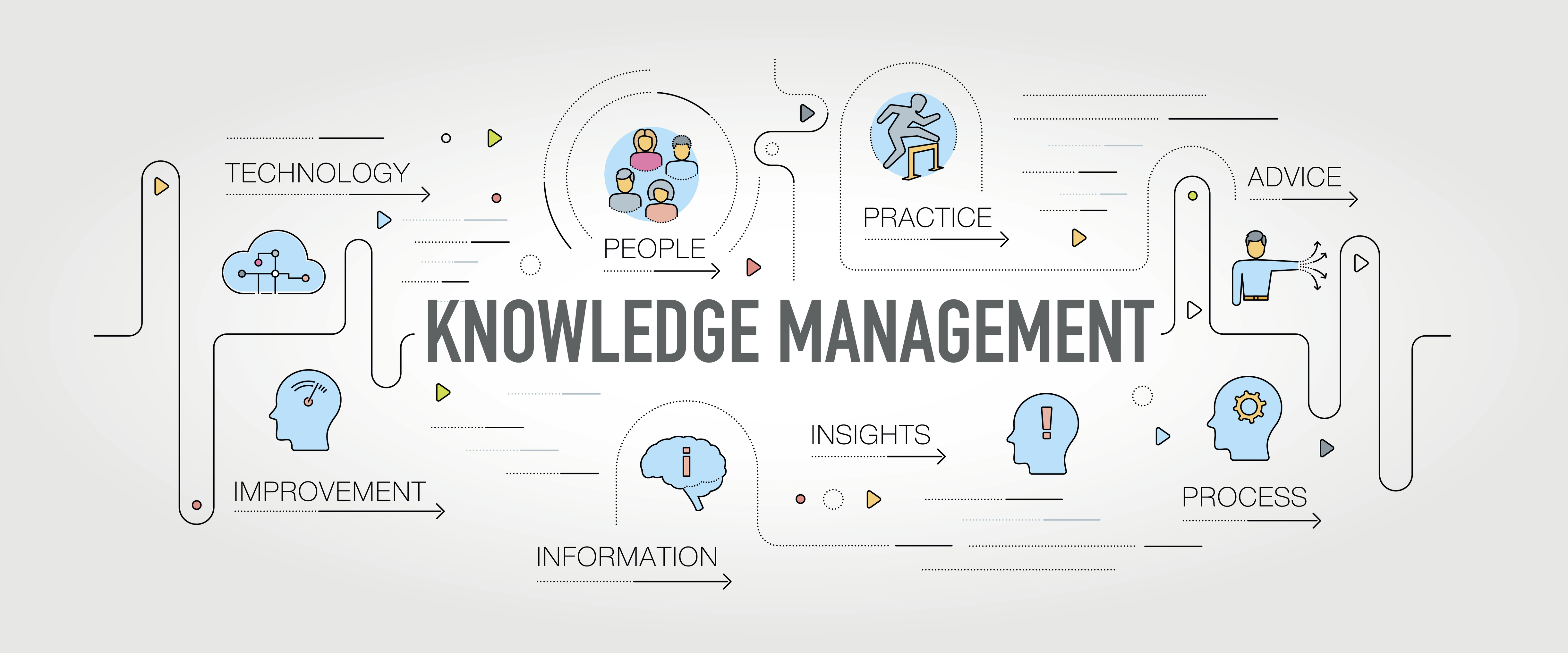
In many organizations, presales Knowledge Management still means one thing:
A repository of old proposals, case studies, solution documents, and reusable RFP content.
But the fact of the matter is that today’s presales environment is very different. Teams are working across regions, deal cycles are faster, solutions are becoming more complex, and customers expect industry-specific answers almost immediately.
This is where I believe KM needs to evolve beyond just maintaining a proposal library.
Because modern KM is not only about storing documents.
It is about connecting:
- people
- expertise
- lessons learned
- competitive intelligence
- best practices
- delivery experience
- reusable knowledge
at the right time.
The Real Problem Isn’t Missing Content
Most organizations already have huge amounts of content.
The real problem is:
- Knowledge is scattered
- SMEs are overloadedThe
- content is duplicated
- Lessons learned stay inside teams
- New joiners struggle to navigate information
- Nobody knows who has solved a similar problem before
So even with thousands of files available, teams still recreate work.
I have personally seen proposal teams spend days searching for information that probably already existed somewhere inside the organization.
What Modern Presales KM Should Actually Do
A mature KM framework should help teams:
- quickly identify reusable assets
- connect with experts who handled similar projects
- access industry insights
- find delivery-backed case studies
- reuse lessons learned
- collaborate globally
- reduce dependency on tribal knowledge
The value of KM increases when it starts connecting knowledge and people instead of simply storing it.
One of the Most Underrated Areas — Expert Discovery
This is something many organizations still miss.
Sometimes the biggest challenge during a bid is not content.
It is finding the right person.
- Who worked on a similar healthcare transformation?
- Who handled a migration project in Europe?
- Who understands a specific compliance requirement?
A good KM framework should help teams quickly discover expertise, rather than relying on informal networks or endless Teams messages.
This becomes even more critical in global organizations.
Where AI Can Change the Game
This is where things get exciting for KM.
AI can help presales teams move from manual searching to intelligent discovery.
Imagine asking:
“Show me similar manufacturing transformation proposals for Europe.”
Or:
“Who worked on cloud migration deals for telecom clients?”
Instead of searching folders manually, AI can surface:
- relevant content
- SMEs
- past proposals
- case studies
- lessons learned
AI can also help with:
- content tagging
- duplicate detection
- summarization
- semantic search
- proposal recommendations
- governance automation
The opportunity is massive if organizations use AI strategically within KM.
Before Setting Up a KM Team, Start Here
One mistake many organizations make is starting with technology first.
KM is not successful because of SharePoint, Copilot, or any platform alone.
It works when there is:
- clear governance
- strong taxonomy
- leadership support
- contribution culture
- defined ownership
- business alignment
The first step should always be understanding:
What business problem are we solving through KM?
- Faster proposals?
- Better collaboration?
- Reducing rework?
- Capturing delivery knowledge?
- Improving onboarding?
The answer defines the KM strategy.
Final Thought
The future of presales KM is not about building larger repositories.
It is about building connected knowledge ecosystems that help people collaborate faster, learn more quickly, and respond more intelligently.
Organizations that continue treating KM as only a document library may struggle to scale effectively.
But organizations that use KM strategically — especially with AI — can create a significant competitive advantage in presales.
In my next blog, I’ll dive deeper into:
“How AI is Transforming Presales Knowledge Management Beyond Search and Storage”
______________________________



.png)
.png)
.png)
.png)