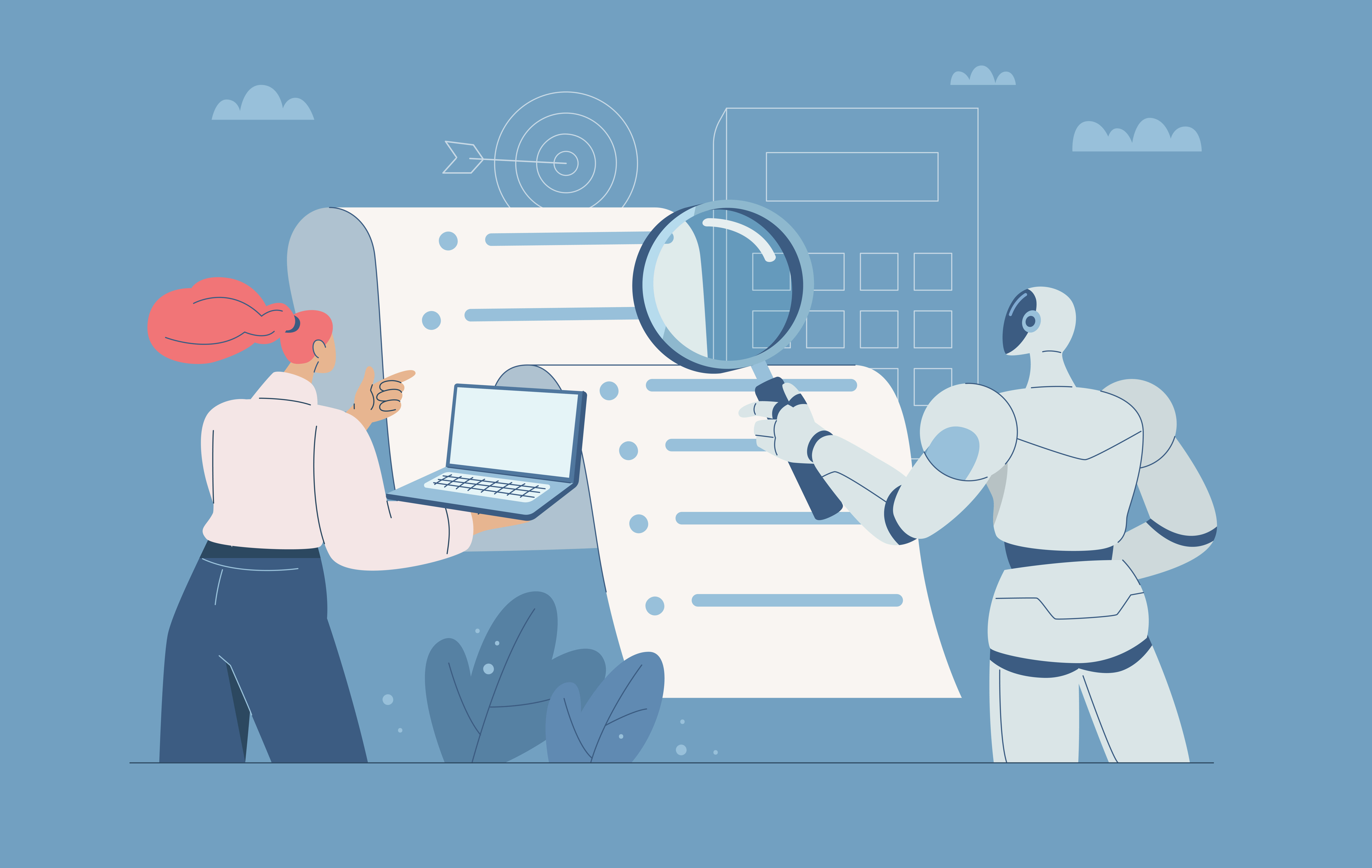
A friend recently shared a story that made me think about how organisations are using AI.
A team of his organisation had prepared an impressive plan for introducing a new way of working. Everything looked right: the objectives, the responsibilities, the timelines and the risks. The document was well written, carefully structured and convincing.
But something was missing.
Nobody seemed to have asked whether the organisation was actually ready to put the plan into practice.
The deadlines were tight. Some responsibilities were unclear. The plan expected people to follow processes they had never used before.
The ideas were not necessarily wrong. They simply didn’t reflect how the organisation really worked. It was not tailored.
“Was it written by AI?” I asked.
“Possibly,” my friend replied. “But does that really matter?”
He had a point.
Perhaps the more important question was whether anyone had checked the plan against what the organisation already knew.
The knowledge nobody asked for
AI can help produce an impressive plan in minutes. But a plan that looks complete can make people less likely to question its assumptions, especially when it has management support.
There is also a less visible risk. When AI suggests a deadline and nobody questions it, that assumption can become part of the plan without anyone consciously validating it. It can then shape the decision, even though nobody delegated the decision to AI.
Consider a simple example.
A plan allows three weeks for testing a new process. It sounds reasonable until someone explains that the teams have never done this before and that previous projects needed much more preparation.
The knowledge to spot the problem already existed. It was simply missing from the discussion.
Making that knowledge available at the right moment is what Knowledge Management (KM) is for. KM brings previous experience, lessons learned and the people who understand how the organisation works into the discussion, while the plan can still be questioned.
A 30-minute reality check
Before approving a plan that will significantly change how people work, try three things.
1. Identify the three assumptions most likely to undermine the plan if they are wrong. Think about timelines, available people, skills or dependencies. AI can help you list them. People who know the organisation need to check them.
2. Test them against organisational experience. What evidence supports them? What happened when something similar was attempted? Who has challenged them? Can the people responsible for delivery confirm they are realistic?
3. Make responsibility clear. Who will validate each assumption? Who has the authority to accept the remaining risks?
A simple record is enough:
Assumption: [ ] | Evidence: [ ] | Validated by: [ ] | Risk owner: [ ] | Outcome / change: [ ]
Thirty minutes may not resolve every question, but it can reveal what needs checking before approval.
If an assumption does not hold up, adjust the plan, test the uncertain part first or make the risk explicit before proceeding.
Keep the record with the decision. The next team should not have to rediscover the same problem.

One question before saying yes
AI has made convincing plans easier to produce. It hasn’t made organisational judgement optional.
A convincing plan is not yet a well-informed decision.
So next time an impressive plan arrives on your desk, don’t begin by asking whether AI helped write it.
Ask: Which assumption could undermine this plan, and who in our organisation would know?
The views expressed in this article are my own and do not represent the position of my employer or any institution I am associated with.
________________________